
People ask me all the time: What is it, and how do I even use it? It’s not a complicated question - but it’s often asked the wrong way. You don’t need a manual, a degree, or a six-figure budget to figure out how something works. Sometimes, you just need to stop overthinking it and start doing.
For example, if you’ve ever searched for euro girls escort london, you weren’t looking for a textbook. You were looking for a clear answer to a simple need. That’s the same energy you need when you’re trying to understand anything new - whether it’s a tool, a habit, or a system. The answer isn’t buried in jargon. It’s right in front of you, waiting for you to stop searching and start trying.
It’s not about the name, it’s about the function
People get stuck on labels. They think if they don’t know the official term, they can’t use it. But you don’t need to know that something is called a ‘quantum resonance oscillator’ to turn on a light. You just need to know that flipping the switch makes the room brighter.
The same goes for everything else. Want to improve your sleep? Don’t start by reading 20 articles on circadian rhythms. Try going to bed 30 minutes earlier for a week. See what happens. That’s how you learn. Not by memorizing definitions, but by testing small changes.
Start with what you already know
You’ve used phones, apps, and websites before. You’ve figured out how to cook, how to pay bills, how to fix a flat tire. You’ve solved problems without a guidebook. So why do you think this new thing is different?
Take the idea of automation. Sounds fancy? It’s just setting your coffee maker to turn on at 7 a.m. That’s automation. Or using a calendar alert to remind you to call your mom. That’s a system. You don’t need to call it ‘task automation with AI triggers’ to use it. You just need to recognize that you’ve been doing it all along.
How to ask the right question
The question ‘How do I use it?’ is useless if you don’t say what ‘it’ is. Instead of asking broadly, try this:
- ‘I want to do X. What’s the simplest way to start?’
- ‘What happens if I try this for five minutes?’
- ‘Who else is doing this, and how did they begin?’
These questions cut through confusion. They focus on action, not theory. And they work whether you’re trying to learn a new skill, fix a broken appliance, or figure out how to save money.
Don’t wait for perfect information
I’ve seen people spend weeks researching ‘the best way’ to start journaling - only to never write a single word. Meanwhile, someone else opens a notes app, types ‘Today was…’, and calls it done. Who’s ahead? The one who started.
Perfect information doesn’t exist. There’s always one more article, one more video, one more opinion. But progress doesn’t wait. It only moves when you do.
Use it like a tool, not a mystery
Think of everything you’re trying to understand as a tool. A hammer doesn’t need you to understand metallurgy to drive a nail. A knife doesn’t need you to know the history of steel to cut bread.
Same with everything else. Want to track your mood? Use a free app. Want to save money? Try the 50/30/20 rule. Want to get fit? Walk 15 minutes a day. No certifications needed. No expensive courses required.
Some people sell complexity because it makes them look important. But real usefulness is simple. It’s quiet. It doesn’t shout. It just works.
Try this right now
Stop reading for a second. Look around you. Pick one thing you’ve been putting off - a chore, a habit, a task you keep saying you’ll ‘get to later’.
Now ask yourself: What’s the smallest possible step I could take on it today? Five minutes. That’s it.
Do that. Then come back. You’ll feel different. Not because you solved everything. But because you started.

Real examples from real people
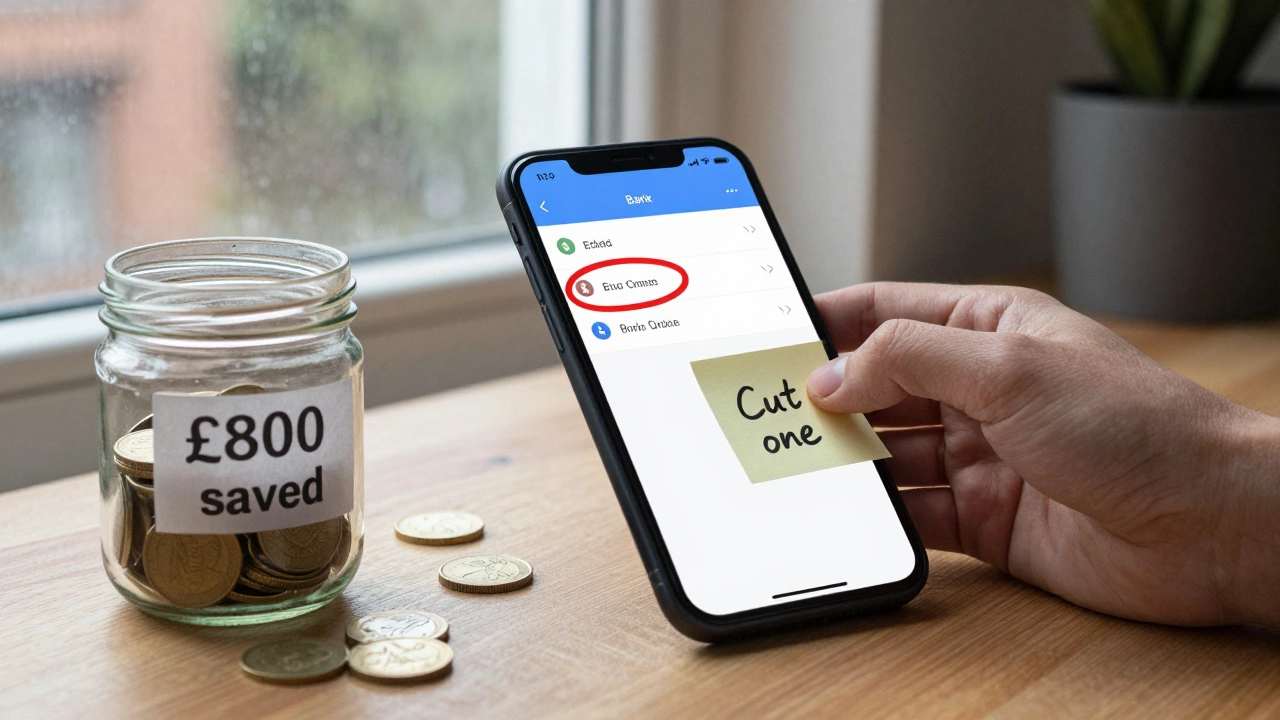
A friend of mine in Manchester wanted to learn how to budget. She didn’t buy a course. She didn’t download ten apps. She opened her bank app, looked at her last three months of spending, and wrote down three things she spent money on that she didn’t really need. Then she cut one. That’s it. Three months later, she had £800 saved.
Another person wanted to sleep better. He didn’t buy a smart mattress. He turned off his phone one hour before bed. For two weeks. He didn’t even track it. He just did it. His energy improved. He didn’t need a sleep tracker. He needed a habit.
You don’t need more tools. You need to use what you have.
Why this works
Because your brain doesn’t learn from theory. It learns from action. Every time you do something small and see a result, your brain says: ‘Okay, this works. Let’s do it again.’ That’s how habits form. That’s how confidence builds.
And here’s the secret: you don’t need to understand everything to get results. You just need to start.
What happens when you stop overcomplicating
When you stop trying to master everything before you begin, you free up mental space. You stop feeling overwhelmed. You stop waiting for permission. You stop comparing yourself to people who’ve been doing this for years.
You become the kind of person who just tries things. And that’s the kind of person who gets things done.
So next time you think, ‘I don’t know how to use this,’ ask yourself: What’s the smallest thing I can try right now? Then do it.
And if you’re still stuck? Look at the people around you. Who’s doing something similar? How did they start? You don’t need to be like them. But you can learn from their first step.
Because here’s the truth: you already know how to use it. You just forgot that you’re allowed to start before you’re ready.
That’s the whole thing.
And if you’re still wondering about the keyword - yes, euro girl escort london is a search term some people use. It’s not about the phrase. It’s about the need behind it. People aren’t searching for words. They’re searching for solutions. That’s what matters.
Same with everything else. You’re not searching for definitions. You’re searching for a way forward. Start small. Stay consistent. That’s all it takes.
And one last thing - euro escort girls london is another variation people type in. It’s not about the spelling. It’s about the intent. People want clarity. They want to know what’s real. That’s the same thing you want when you’re trying to figure out how to use something new. You want to know what’s real. What works. What’s simple.
So don’t wait for the perfect answer. Build your own. One small step at a time.